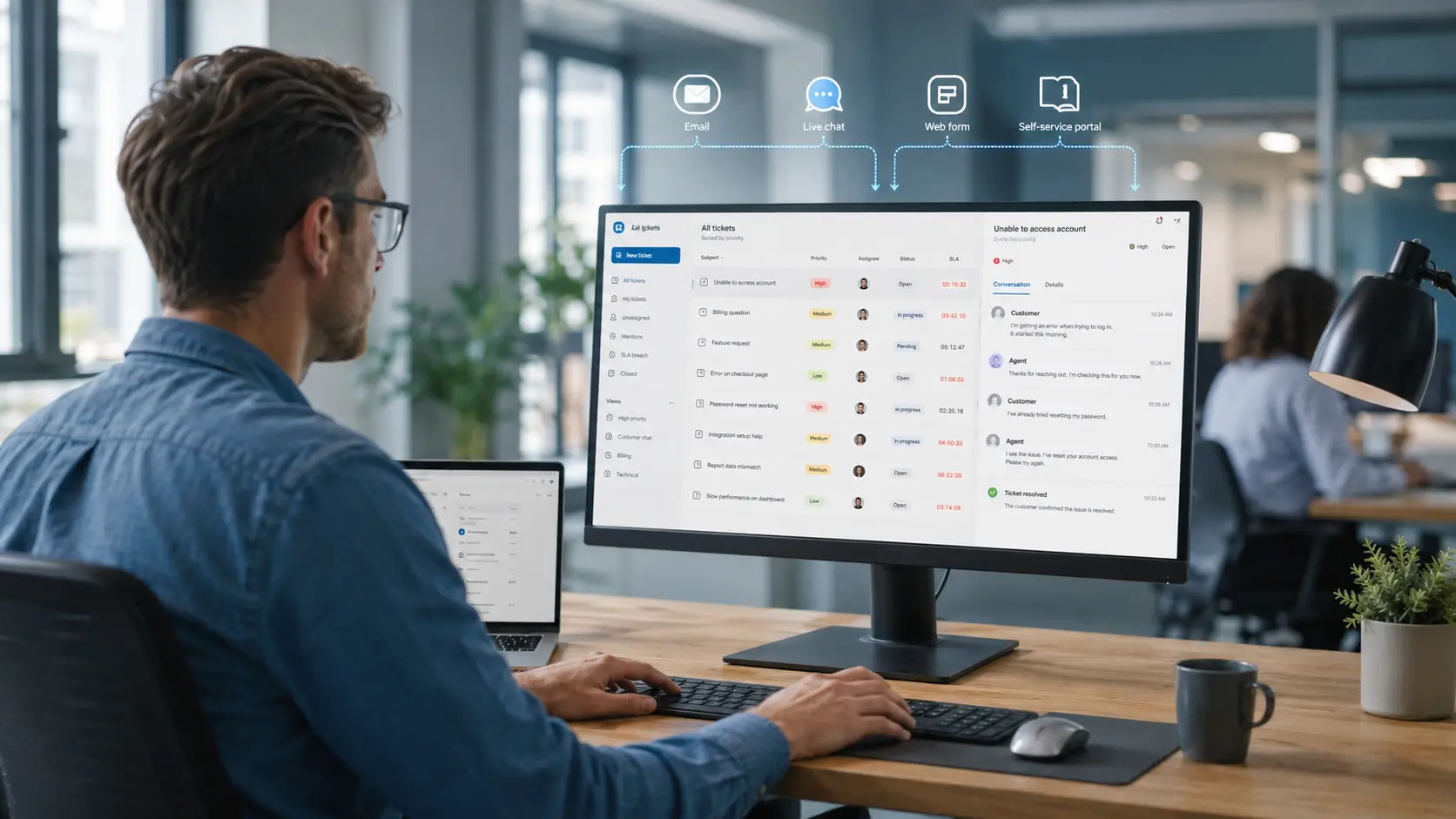

Zendesk is one of the most established help desk platforms. It is powerful, flexible, and trusted by large support teams worldwide.
But it is not the right fit for everyone. Rising costs and add-on fees push many teams to look elsewhere.
This guide covers why teams seek a Zendesk alternative, what to look for, and the strongest options in 2026.
It stays balanced, so you can judge each tool on its merits, including where Zendesk is still the better choice.
A fair comparison starts with strengths. Zendesk earns its reputation in several areas.
It offers deep customization, a large app marketplace, and mature reporting. Big teams with complex workflows benefit from that depth.
If you need a highly configurable platform and have admin resources, Zendesk remains a strong option.
Zendesk works well for many teams. These are the reasons some still move away.
Zendesk pricing runs from $19 per agent for Support Team to $55 for Suite Team and $115 for Suite Professional, billed annually.
AI features and add-ons sit on top of these seats. For a growing team, the total can climb fast.
A ten-agent team on a mid tier can reach a meaningful monthly spend before any AI usage.
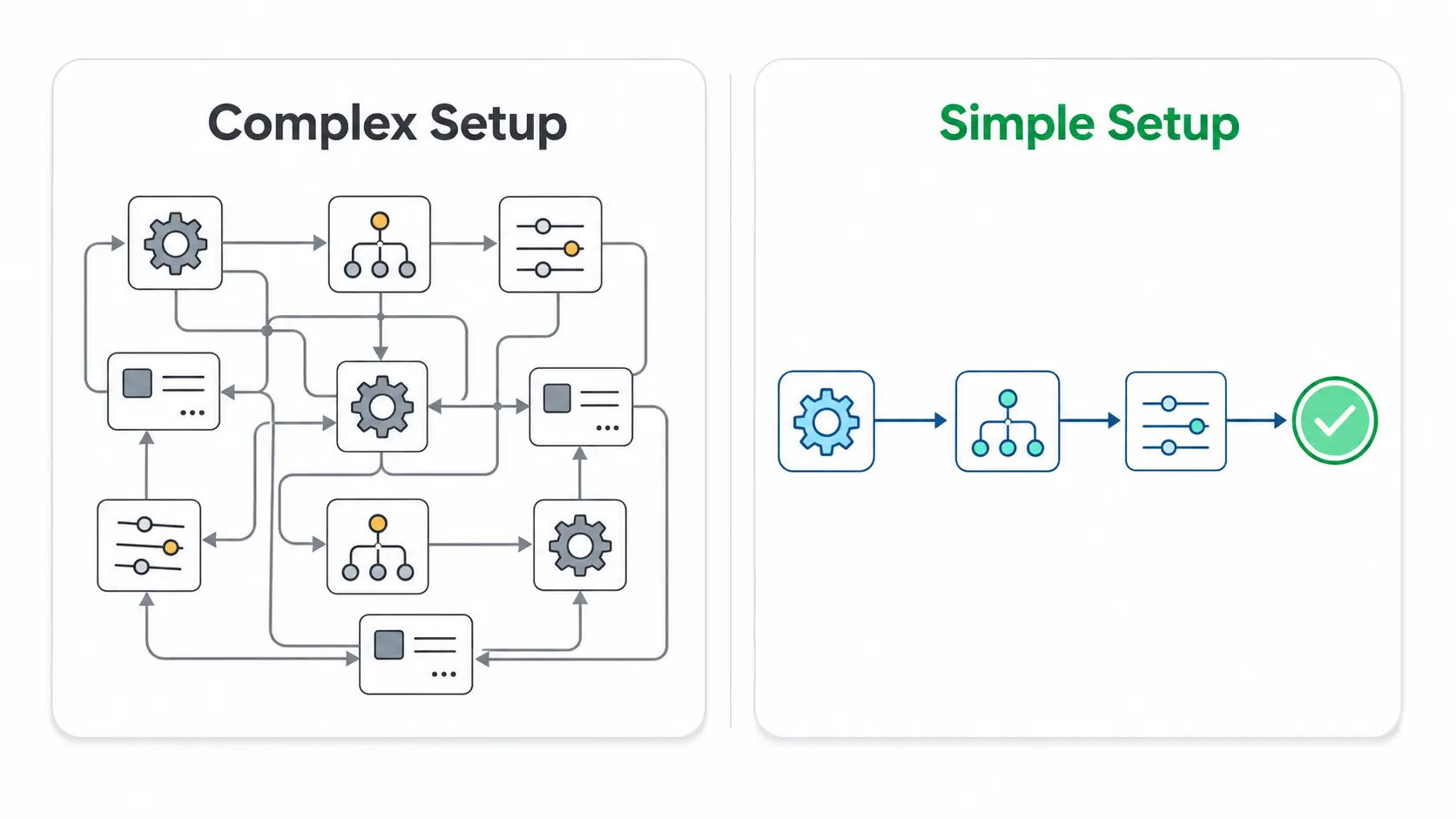
Zendesk offers deep configuration. That power can feel heavy for a small team that wants to start quickly.
Admin tasks may need dedicated time or outside help. Smaller teams often want simpler control.
Advanced AI features often carry usage or add-on costs. Predicting the monthly bill becomes harder at high volume.
Teams with large queues feel this most, since AI cost scales with tickets, not seats.
Judge each option against the same needs. These criteria matter most when replacing Zendesk.
Rank these by your own priorities. A team drowning in tickets values routing more than deep customization.
Each tool below suits a different team. Prices are 2026 annual per-agent rates and can change, so confirm before you buy.
| Tool | Best for | Entry price (annual) |
|---|---|---|
| Hengine | AI ticketing with predictable cost | Simple, transparent pricing |
| Freshdesk | Balanced mid-market support | Growth $19; Pro $55 |
| Zoho Desk | Budget teams in the Zoho ecosystem | Standard $14; Professional $23 |
| Help Scout | Simple, email-first support | Contact vendor |
| Intercom | Messaging-first support | Essential $29/seat |
Hengine
Freshdesk
Zoho Desk
Help Scout
Intercom
Hengine is an AI ticketing and help desk platform. It includes routing, real-time SLA tracking, and analytics in the core product.
Strengths: AI and SLA features without add-on fees, fast setup, and simple pricing that scales.
One workspace covers IT, HR, facilities, and customer requests. That suits teams consolidating tools.
Trade-off: it may lack a niche integration that only Zendesk offers today. Check your must-have connectors first.
Best for: teams that want AI-driven support with predictable cost.
Freshdesk balances features and price for mid-market teams. It offers a free plan and clear tiers.
Strengths: intuitive interface, solid automation, and a gentle learning curve.
Trade-off: its AI copilot is limited to higher plans, so confirm which tier you need.
Best for: teams wanting a familiar, well-rounded help desk.
Zoho Desk offers strong value, especially inside the Zoho ecosystem. Zia AI is included on paid plans.
Strengths: low entry cost, good feature depth, and no separate AI fee on paid tiers.
Trade-off: it is less compelling if you do not use other Zoho products.
Best for: budget-conscious teams already using Zoho.
Help Scout focuses on simple, email-style support with a clean shared inbox. It suits small teams that want minimal setup.
Strengths: fast onboarding and a friendly, uncluttered interface.
Trade-off: fewer advanced routing and ITSM features than Zendesk.
Best for: small teams that value simplicity over depth.
Intercom leads with messaging and in-app chat. Its Fin AI resolves conversations but charges per resolution.
Strengths: strong live chat and proactive messaging for product-led teams.
Trade-off: Fin AI costs $0.99 per resolution with a monthly minimum, so budgeting takes care.
Best for: SaaS teams focused on in-app support.
Use this summary to shortlist two tools to trial.
| Need | Zendesk | Best alternative |
|---|---|---|
| Lowest predictable cost | Higher, add-ons stack | Zoho Desk or Hengine |
| AI included in core | Often extra | Hengine or Zoho Desk |
| Fastest simple setup | Can be complex | Help Scout or Hengine |
| Messaging-first support | Add-on | Intercom |
| Deep customization | Excellent | Zendesk |
Lowest predictable cost
AI included in core
Fastest simple setup
Messaging-first support
Deep customization

Plan the move before you cancel. Export tickets, contacts, and macros first.
Confirm your new tool can import that data. Rebuild only the automations you still use.
Run both tools briefly if you can, routing new tickets to the new system. This catches gaps early.
See also: Help Desk Software Alternatives.
Yes. Zoho Desk and Hengine often cost less at similar feature levels, especially once AI add-ons are counted.
Small teams often prefer Help Scout or Hengine for faster setup and simpler pricing.
Many do. Hengine and Zoho Desk include AI features on core or paid plans, rather than as separate usage fees.
Yes, if you export first. Confirm the new tool supports importing your tickets and contacts before you cancel.
For large teams needing deep customization, yes. For smaller teams wanting simple, predictable cost, an alternative may fit better.
Shortlist two tools that match your top needs. Trial each with real tickets, SLAs, and one integration.
To compare an all-in-one AI help desk with predictable pricing, explore how Hengine handles routing and SLAs.
Disclaimer: Pricing and features are accurate as of September 2026 and may change. Check each vendor’s website for current details. Comparisons reflect our opinion and are provided for informational purposes only.